About
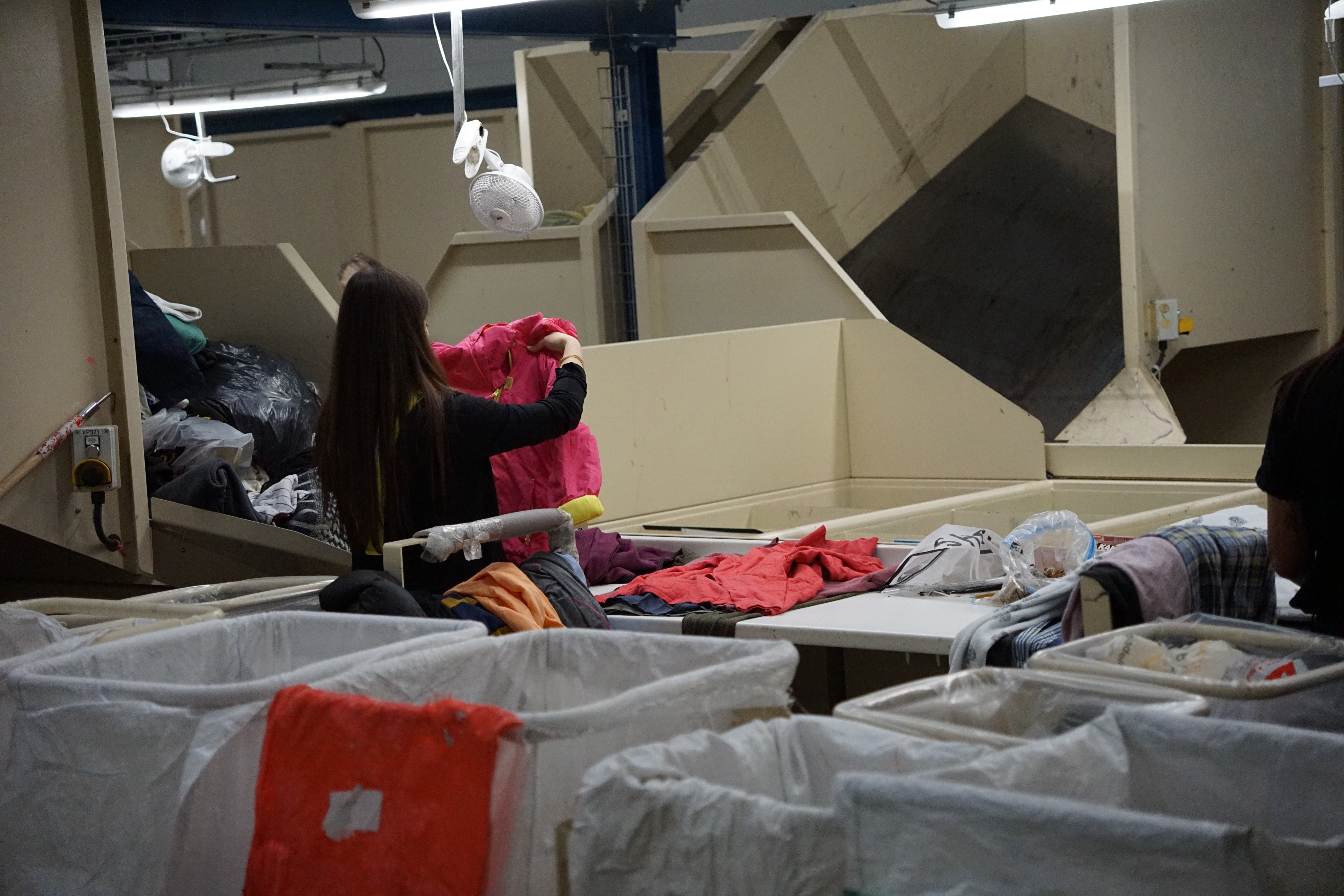
SORT4CIRC is an EU-funded project that tackles challenges in post-consumer textile sorting and recycling. By combining multiple novel technologies, SORT4CIRC aims to develop automated sorting systems that cut costs, improve efficiency, and create high-quality feedstock for reuse and recycling.
The project brings together 14 partners from across the EU and the UK to demonstrate a systemic approach to textile circularity. SORT4CIRC supports the EU Green Deal and Circular Economy Action Plan by contributing to resource conservation and waste reduction. Together, we pave the way for a more sustainable, transparent and competitive textile sector in Europe.
The Challenge
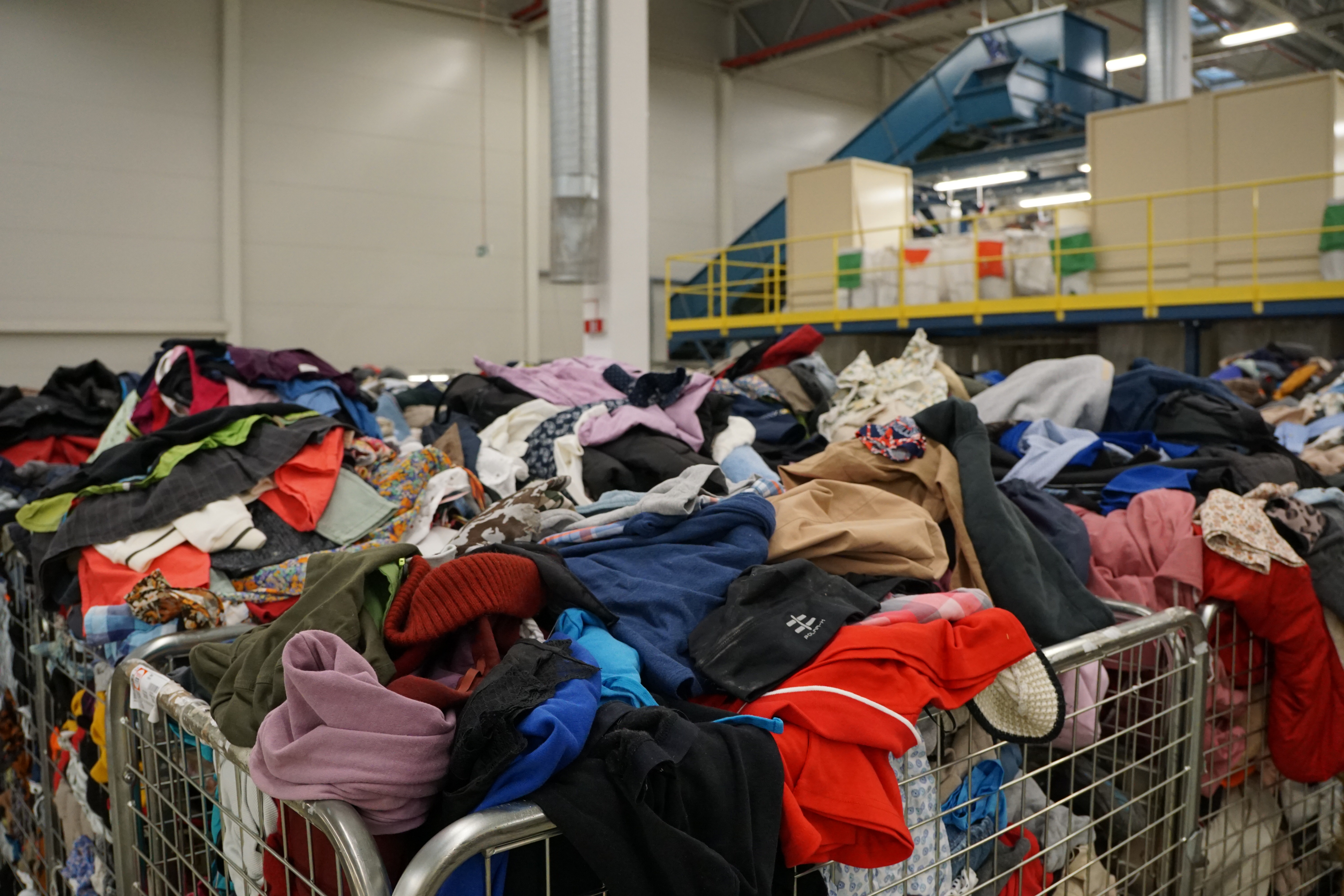
The EU generates 12.6 million tonnes of textile waste per year. Currently, only 22% of post-consumer textile waste is collected separately for reuse or recycling, while the remainder is often incinerated or landfilled. As EU Member States introduce mandatory separate textile waste collection, expanding and streamlining sorting and recycling is essential to handle the growing volume of post-consumer textiles.
Objectives


Objective 1: Smart, automated textile sorting
Revolutionise textile sorting with intelligent, interconnected technologies. By combining AI, computer vision, spectroscopy, and design-for-disassembly solutions, we aim to enable efficient automated pre-sorting, accurate material recognition, and optimal routing of textiles for reuse, open-loop and closed-loop recycling.


Objective 2: Increased traceability for textiles
Increase traceability of pre-owned textiles through secure, interoperable digital solutions. By integrating tokenised RFID tags and Digital Product Passports, we aim to ensure reliable data exchange across the textile value chain while protecting data integrity and confidentiality.


Objective 3: Readiness for recycling
Design, integrate, and demonstrate an automated sorting and recognition system in real operational environments. The goal is to deliver consistent, high-quality feedstock that meets the technical and economic requirements of mechanical and chemical textile recycling.


Objective 4. Proven impact and viability
Assess technical, environmental, and economic feasibility of automated textile sorting at scale. To ensure market uptake, we will develop a business case, assess industrial symbiosis opportunities, and quantify environmental and social benefits within a circular textile economy.












About
SORT4CIRC is an EU-funded project that tackles challenges in post-consumer textile sorting and recycling. By combining multiple novel technologies, SORT4CIRC aims to develop automated sorting systems that cut costs, improve efficiency, and create high-quality feedstock for reuse and recycling.
The project brings together 14 partners from across the EU and the UK to demonstrate a systemic approach to textile circularity. SORT4CIRC supports the EU Green Deal and Circular Economy Action Plan by contributing to resource conservation and waste reduction. Together, we pave the way for a more sustainable, transparent and competitive textile sector in Europe.
The Challenge
The EU generates 12.6 million tonnes of textile waste per year. Currently, only 22% of post-consumer textile waste is collected separately for reuse or recycling, while the remainder is often incinerated or landfilled. As EU Member States introduce mandatory separate textile waste collection, expanding and streamlining sorting and recycling is essential to handle the growing volume of post-consumer textiles.
Objectives
Objective 1: Smart, automated textile sorting
Revolutionise textile sorting with intelligent, interconnected technologies. By combining AI, computer vision, spectroscopy, and design-for-disassembly solutions, we aim to enable efficient automated pre-sorting, accurate material recognition, and optimal routing of textiles for reuse, open-loop and closed-loop recycling.
Objective 2: Increased traceability for textiles
Increase traceability of pre-owned textiles through secure, interoperable digital solutions. By integrating tokenised RFID tags and Digital Product Passports, we aim to ensure reliable data exchange across the textile value chain while protecting data integrity and confidentiality.
Objective 3: Readiness for recycling
Design, integrate, and demonstrate an automated sorting and recognition system in real operational environments. The goal is to deliver consistent, high-quality feedstock that meets the technical and economic requirements of mechanical and chemical textile recycling.
Objective 4. Proven impact and viability
Assess technical, environmental, and economic feasibility of automated textile sorting at scale. To ensure market uptake, we will develop a business case, assess industrial symbiosis opportunities, and quantify environmental and social benefits within a circular textile economy.
About
SORT4CIRC is an EU-funded project that tackles challenges in post-consumer textile sorting and recycling. By combining multiple novel technologies, SORT4CIRC aims to develop automated sorting systems that cut costs, improve efficiency, and create high-quality feedstock for reuse and recycling.
The project brings together 14 partners from across the EU and the UK to demonstrate a systemic approach to textile circularity. SORT4CIRC supports the EU Green Deal and Circular Economy Action Plan by contributing to resource conservation and waste reduction. Together, we pave the way for a more sustainable, transparent and competitive textile sector in Europe.
The Challenge
The EU generates 12.6 million tonnes of textile waste per year. Currently, only 22% of post-consumer textile waste is collected separately for reuse or recycling, while the remainder is often incinerated or landfilled. As EU Member States introduce mandatory separate textile waste collection, expanding and streamlining sorting and recycling is essential to handle the growing volume of post-consumer textiles.
Objectives
Objective 1: Smart, automated textile sorting
Revolutionise textile sorting with intelligent, interconnected technologies. By combining AI, computer vision, spectroscopy, and design-for-disassembly solutions, we aim to enable efficient automated pre-sorting, accurate material recognition, and optimal routing of textiles for reuse, open-loop and closed-loop recycling.
Objective 2: Increased traceability for textiles
Increase traceability of pre-owned textiles through secure, interoperable digital solutions. By integrating tokenised RFID tags and Digital Product Passports, we aim to ensure reliable data exchange across the textile value chain while protecting data integrity and confidentiality.
Objective 3: Readiness for recycling
Design, integrate, and demonstrate an automated sorting and recognition system in real operational environments. The goal is to deliver consistent, high-quality feedstock that meets the technical and economic requirements of mechanical and chemical textile recycling.
Objective 4. Proven impact and viability
Assess technical, environmental, and economic feasibility of automated textile sorting at scale. To ensure market uptake, we will develop a business case, assess industrial symbiosis opportunities, and quantify environmental and social benefits within a circular textile economy.